
Visible inspection
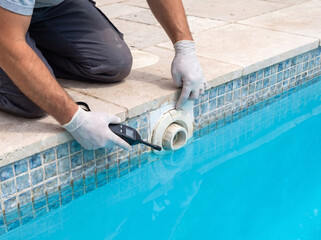
Start with accessible equipment, fittings and waterline observations. A clear visible fault can guide the next step.
Lakeland Pool Repair Pro provides pool leak detection for homes and shared properties. The goal is to locate unexplained water loss before committing to a repair. A measured assessment can consider the pool, fittings, connected plumbing and automatic filling. Detection findings and the work needed to repair the source are explained as separate scopes.
Get a QuoteA falling waterline can reflect evaporation, use, rainfall, cleaning or a leak. Automatic top-up can hide the pattern. Lakeland Pool Repair Pro helps investigate unexplained loss with a measured assessment. Keep notes on refilling and equipment behavior so the first visit starts with useful information.
A bucket comparison is an optional screening check, not proof of where a leak is located. Use a rain-free 24-hour period and repeat the comparison if weather or pool use disturbs it.
Arrange an assessment when refilling becomes frequent, loss continues without an obvious explanation or equipment begins drawing air. Record how much water is being added and whether automatic filling is active. Rapid water loss or unsafe equipment needs prompt attention. Do not wait for a perfect screening-test day if the situation is getting worse.
A leak may involve a return fitting, skimmer, light niche, accessible equipment, buried line or the shell. Similar water-loss symptoms can have different causes. Testing should narrow the location before repair is proposed. Resurfacing a worn interior is a separate decision and is not a universal leak remedy.
For shared pools, compare automatic-fill activity with the operator’s water-use and maintenance records. Arrange access around the property’s pool operation. The inspection may involve circulation equipment and connected plumbing as well as the pool itself. A clear diagnostic result helps the manager plan the repair and any disruption.
Detection investigates the source of loss. A subsequent repair may need parts, access work or a separately assessed structural scope. Keep those items separate in the written quote. In Lakeland, checking a concealed automatic-fill leak can also help avoid continuing unnecessary water use.
Pool layout, connected plumbing, access and the tests needed affect the diagnostic scope. The size of an eventual repair is not known from the waterline alone. Send equipment photos and a record of top-ups with your request. Current City water-use guidance is useful when planning any refill that follows the repair.
No. Evaporation, use, maintenance, rainfall and automatic filling can change the waterline. Measured observations provide a better starting point.
Not automatically. The diagnostic visit and subsequent repair should have their own clear scope and price.
Targeted tests may narrow the location first. The result depends on the fault, access and pipe layout; the excavation scope cannot be promised before investigation.
Yes. Use a rain-free comparison period and repeat a disturbed screening test. Arrange prompt assessment instead of waiting if loss is rapid or equipment is affected.
Tell us what changed, what equipment you have and whether the pool serves a home or shared property.
Get a Quote